Few things are as satisfying as a warm, comforting meal that only requires a single pot to prepare. One-pot dishes save time on cooking and cleaning, making them incredibly popular for busy weeknight dinners. While Western cuisine often relies on heavy casseroles or stews, South Asian culinary traditions offer a fantastic alternative. Enter Khichdi.
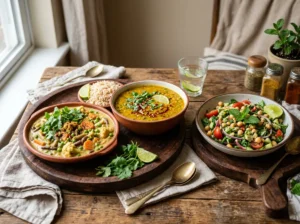
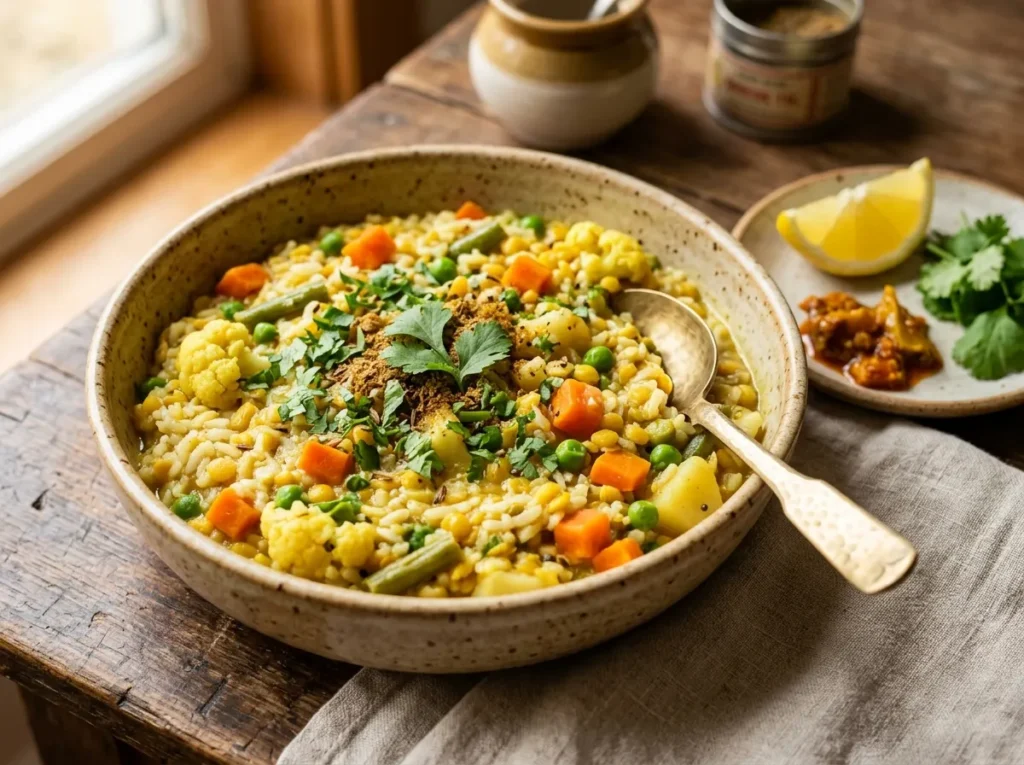
Khichdi is a staple dish in India and Bangladesh. It is a humble, deeply comforting meal made primarily from rice and lentils. When enriched with an array of fresh vegetables and aromatic spices, it transforms into a complete, balanced meal. This vegetable khichdi offers a perfect blend of regional flavors and healthy ingredients, standing out as a vibrant alternative to typical Western one-pot meals.
Because it is relatively easy to make and highly adaptable, khichdi appeals broadly to anyone seeking a nutritious dinner. For the Indian and Bangladeshi diaspora, it represents a taste of home. For others, it is a delightful entry point into the rich world of South Asian spices. This guide will show you exactly how to create a nutritious and flavorful one-pot vegetable khichdi in your own kitchen.
The Nutritional Powerhouse: Why Khichdi is a Healthy Choice
A well-prepared bowl of vegetable khichdi is an excellent source of essential nutrients. The combination of ingredients works together to fuel your body while remaining gentle on the digestive system.
The Magic of Lentils and Rice
When you combine rice (a grain) and lentils (a legume), you create a complete protein. This means the dish provides all the essential amino acids your body needs to function properly. Lentils also add a substantial amount of dietary fiber, which aids in digestion and helps maintain stable blood sugar levels.
A Rainbow of Vegetables
Adding vegetables to the traditional rice and lentil base significantly boosts the dish’s nutritional profile. Carrots, peas, cauliflower, and green beans introduce essential vitamins, minerals, and antioxidants. These vegetables lower the overall calorie density of the meal while increasing its volume, keeping you fuller for longer.
Easy on the Stomach
Ayurvedic traditions have long celebrated khichdi for its easy digestibility. The slow cooking process breaks down the complex carbohydrates and proteins, making it an ideal meal for those recovering from illness or looking for a light, soothing dinner. It is naturally gluten-free and can easily fit into a vegetarian or vegan diet.
Regional Flavors: A Taste of India and Bangladesh in One Pot
Khichdi is a highly versatile dish with numerous regional variations across South Asia. Some regions prefer a thick, porridge-like consistency, while others serve it with individual grains distinct and separate, much like a pilaf.
This specific vegetable khichdi leans into a hearty, medium-thick consistency. It utilizes a specific blend of spices that not only add incredible flavor but also bring their own health benefits to the table.
Essential Healing Spices
Turmeric is the star of the show, giving the dish its signature golden hue and providing powerful anti-inflammatory properties. Cumin seeds offer an earthy warmth and promote healthy digestion. Fresh ginger and garlic form the aromatic foundation, lending a sharp, savory depth while supporting the immune system. Together, these spices create a warming flavor profile that feels deeply restorative.
Gathering Your Ingredients: The Essentials for Vegetable Khichdi
Building a great khichdi starts with selecting the right components. You can find most of these ingredients at your local grocery store or a specialized South Asian market.
The Base and the Vegetables
- Rice: Basmati rice is the standard choice for its fragrant aroma and light texture, but short-grain rice like Sona Masoori also works beautifully.
- Lentils (Dal): Moong dal (split yellow mung beans) is the most traditional and easily digestible option. Masoor dal (red lentils) is a great substitute.
- Vegetables: Choose fresh, seasonal vegetables. A classic combination includes diced carrots, green peas, chopped cauliflower florets, and French beans.
- Cooking Fat: Ghee (clarified butter) provides a rich, authentic flavor. For a vegan option, coconut oil or a neutral vegetable oil works perfectly.
The Aromatics and Spices
- 1 teaspoon cumin seeds
- 1 medium onion, finely chopped
- 1 tablespoon ginger-garlic paste (or finely minced fresh ginger and garlic)
- 1 green chili, slit (adjust to taste)
- 1/2 teaspoon ground turmeric
- 1/2 teaspoon red chili powder or paprika
- 1 teaspoon coriander powder
- Salt to taste
Step-by-Step: Crafting Your Perfect One-Pot Vegetable Khichdi
Making khichdi is a straightforward process. The key is to build flavor layer by layer before allowing everything to simmer together.
1. Preparation
Start by measuring out 1 cup of rice and 1/2 cup of moong dal. Place them in a bowl and wash them thoroughly under cold running water until the water runs clear. Soak the rice and dal mixture in water for about 20 to 30 minutes. This soaking step ensures even cooking and a better texture. While the grains soak, chop your vegetables into bite-sized, uniform pieces.
2. Sautéing the Aromatics
Heat 2 tablespoons of ghee or oil in your cooking vessel over medium heat. Add the cumin seeds and let them sizzle for a few seconds until fragrant. Add the chopped onions and the slit green chili. Sauté until the onions turn soft and translucent. Stir in the ginger-garlic paste and cook for another minute until the raw smell disappears.
3. Adding the Spices and Vegetables
Lower the heat slightly to avoid burning the spices. Stir in the turmeric, red chili powder, coriander powder, and a generous pinch of salt. Mix well. Next, add all your chopped vegetables to the pot. Stir them constantly for about two minutes, allowing the spices to coat the vegetables evenly.
4. Simmering the Khichdi
Drain the soaked rice and dal, then add them to the pot. Gently mix everything together. Pour in 4 to 5 cups of water, depending on how thick or soupy you prefer your final dish.
Stovetop Method: Bring the mixture to a boil, then reduce the heat to low. Cover the pot with a tight-fitting lid and let it simmer for 25 to 30 minutes. Stir occasionally to prevent sticking at the bottom. The khichdi is done when the rice and lentils are completely soft and melded together.
Pressure Cooker or Instant Pot Method: Secure the lid and cook on high pressure for 4 to 5 whistles (for a traditional stovetop pressure cooker) or set the Instant Pot to high pressure for 6 minutes. Allow the pressure to release naturally for 10 minutes before opening the lid.
Customization and Variations: Make It Your Own
One of the best aspects of vegetable khichdi is its adaptability. You can easily tweak the recipe to suit your dietary needs or utilize whatever ingredients you happen to have in your refrigerator.
Vegetable Combinations
Feel free to experiment with different vegetables. Spinach or kale can be stirred in during the last five minutes of cooking for a boost of leafy greens. Diced potatoes or sweet potatoes add a lovely, hearty texture. Bell peppers can provide a subtle sweetness.
Protein Additions
If you want to increase the protein content, consider folding in cubes of paneer or firm tofu right before serving. For a non-vegetarian twist, some regional variations include small pieces of marinated chicken, though traditional khichdi is almost always vegetarian.
Flavor Enhancers
A squeeze of fresh lemon juice just before serving brightens the flavors immensely. Garnish the dish generously with freshly chopped cilantro. If you enjoy a bit of richness, drizzle an extra spoonful of melted ghee over the top of each bowl.
Serving Suggestions and Accompaniments
Khichdi is wonderfully satisfying on its own, but serving it with a few traditional sides elevates the entire meal experience.
Plain, cool yogurt provides a refreshing contrast to the warm spices of the dish. A spoonful of spicy mango or lime pickle (achar) adds a pungent, tangy kick that cuts through the richness. Finally, roasted papadums (thin, crisp lentil wafers) offer a much-needed crunch alongside the soft texture of the rice and lentils.
Troubleshooting Common Khichdi Conundrums
Even a simple one-pot meal can occasionally go slightly off course. Here is how to fix the most common khichdi issues.
Too Watery or Too Dry: If your khichdi is too thin, leave the pot uncovered and simmer on low heat for a few extra minutes until the excess liquid evaporates. If it is too thick or dry, simply stir in a half cup of boiling water until you reach your desired consistency.
Lacking Flavor: If the finished dish tastes a bit flat, it likely needs more salt. Add a pinch of salt and a generous squeeze of lemon juice. A quick “tadka” or tempering—heating a little ghee with a pinch of cumin and dried red chilies and pouring it over the top—can also revive the flavors.
Vegetables Overcooked or Undercooked: To prevent mushy vegetables, ensure you cut them into appropriately large pieces. Carrots and potatoes take longer to cook than peas or spinach, so sequence your chopping and additions accordingly.
The SEO Advantage: Why This Khichdi Recipe Stands Out
For food bloggers and culinary enthusiasts, creating content around vegetable khichdi offers a unique advantage. The “regional + healthy” keyword combination captures a highly engaged audience looking for authentic, nutritious meals.
Because mainstream Western recipes heavily dominate the one-pot meal category (think chili, pasta bakes, and stews), a traditional South Asian recipe like khichdi faces far less competition on search engine results pages. It directly appeals to a large Indian and Bangladeshi demographic seeking accurate representations of their favorite comfort foods, while also attracting a broader audience interested in plant-based, wholesome cooking.
Bring Comfort to Your Kitchen Tonight
Vegetable khichdi is a testament to the brilliance of South Asian home cooking. It transforms simple, humble ingredients into a meal that is nourishing, flavorful, and deeply comforting. By utilizing just one pot, you save time without sacrificing nutritional value.
Whether you are looking for a healthy weeknight dinner, a digestible meal to soothe an upset stomach, or simply a delicious way to eat more vegetables, this recipe is sure to become a regular fixture in your meal rotation. Gather your spices, chop your vegetables, and experience the warmth of a perfect bowl of khichdi. Let us know how yours turned out in the comments below!
For more info please visit veganov-trichy.com .